
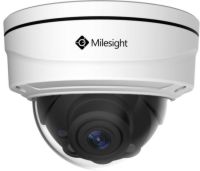

End-to-End Cybersecurity for Video Surveillance
Modern IP surveillance systems require cybersecurity protection across devices, networks, communication protocols, and data management.
HDS cybersecurity technologies are designed to help secure video transmission, user authentication, system access, and network communication across modern surveillance infrastructure.
Key Cybersecurity Technologies
Secure-by-Design Devices
HDS integrates cybersecurity into device architecture to provide protection from hardware to firmware level.
- End-to-end encrypted communication (HTTPS, TLS)
- Secure boot and firmware validation
- Strong password enforcement
- Protection against unauthorized access

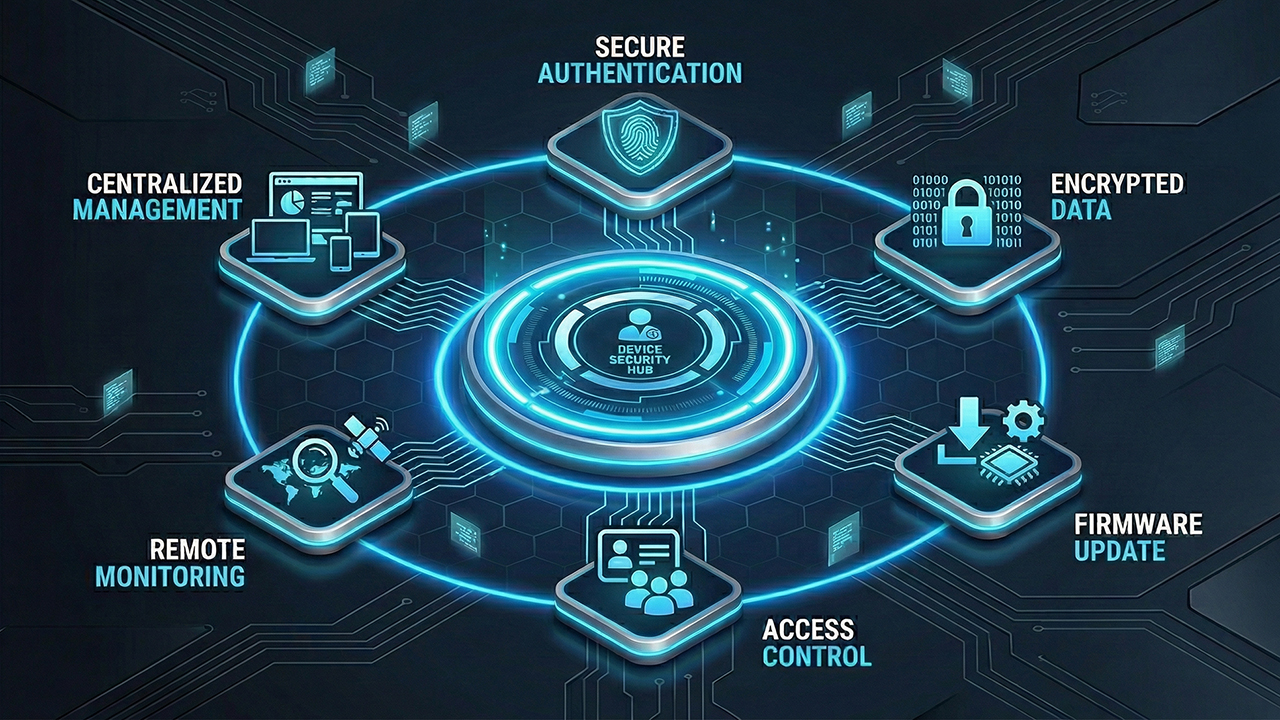
Device Security Management
Centralized device management helps maintain secure operation across connected devices.
- Role-based access control (RBAC)
- Real-time monitoring and security alerts
- Secure remote device management
- Compromised device isolation
Network & Data Protection
HDS provides multi-layer security mechanisms to help protect data transmission, storage, and system communication.
- VPN-secured communication
- Encrypted video streaming
- Network segmentation support
- Secure APIs (HTTPS / SNMPv3)

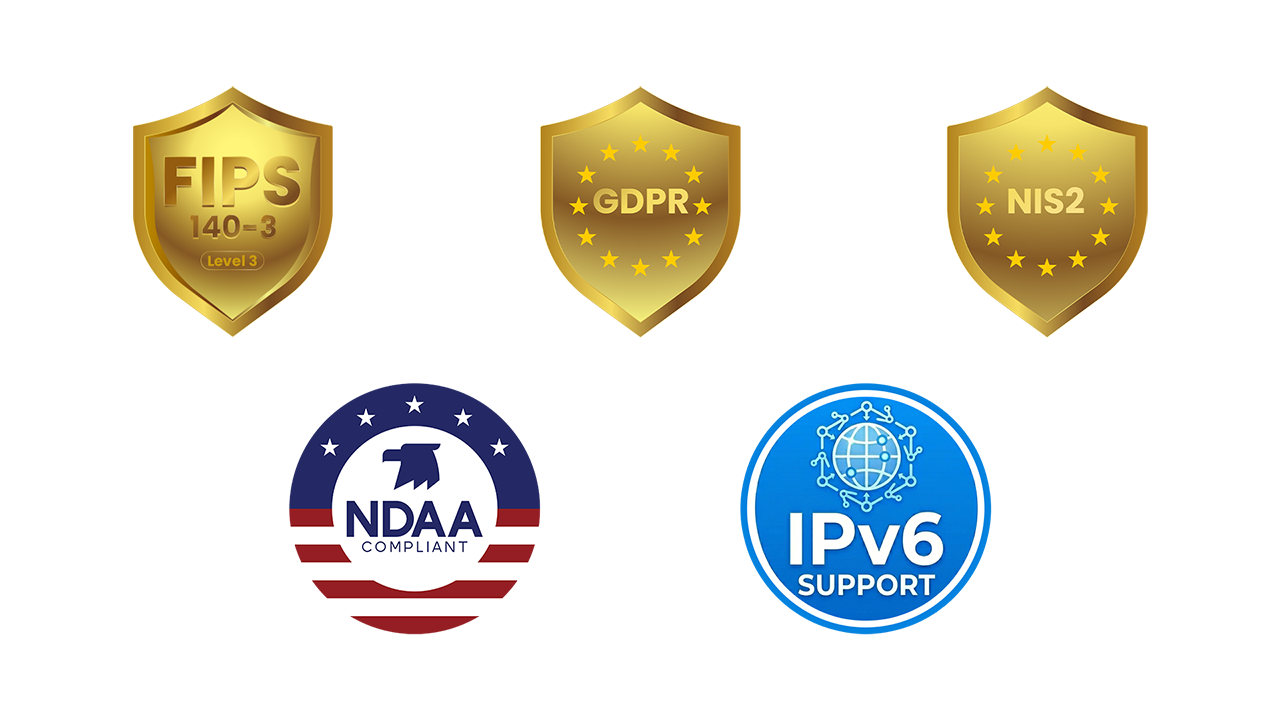
Global Compliance & Standards
HDS products are designed to support international cybersecurity standards and help meet regulatory requirements for secure deployment in global markets.
- Supports security frameworks aligned with FIPS 140-3 requirements
- Designed to align with GDPR data protection guidelines
- Built for compatibility with NDAA-related project requirements
- IPv6 network support for modern infrastructure
Key Cybersecurity Features
Encryption
All data is encrypted during transmission to prevent interception and unauthorized access.

Integrity
Ensures firmware and system integrity through secure validation and protection mechanisms.

Compliance
Aligned with relevant international cybersecurity standards and regulatory guidelines.
Frequently Asked Questions
Check the exact model and firmware in the current datasheet or compatibility documentation, then request written confirmation for the quoted configuration. A general cybersecurity description is not evidence that every model implements the same controls.
Request model-specific security features, hardening guidance, firmware lifecycle information, vulnerability handling, and any applicable third-party evidence.