

Back to Solutions

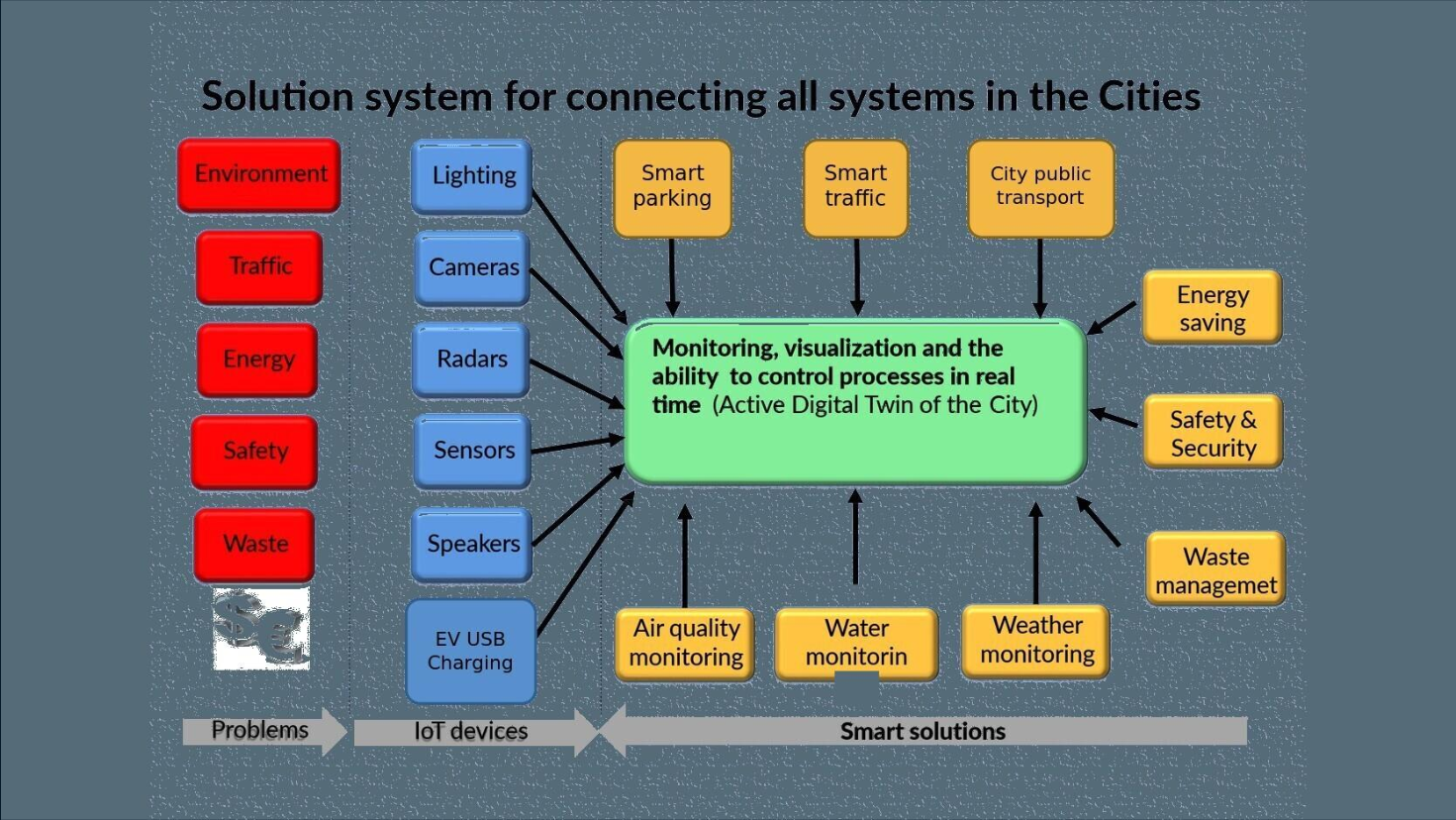




One operating view connects city services and field infrastructure
HDS combines specialist systems without removing their operational independence.
A common data layer links events, locations and workflows across departments.
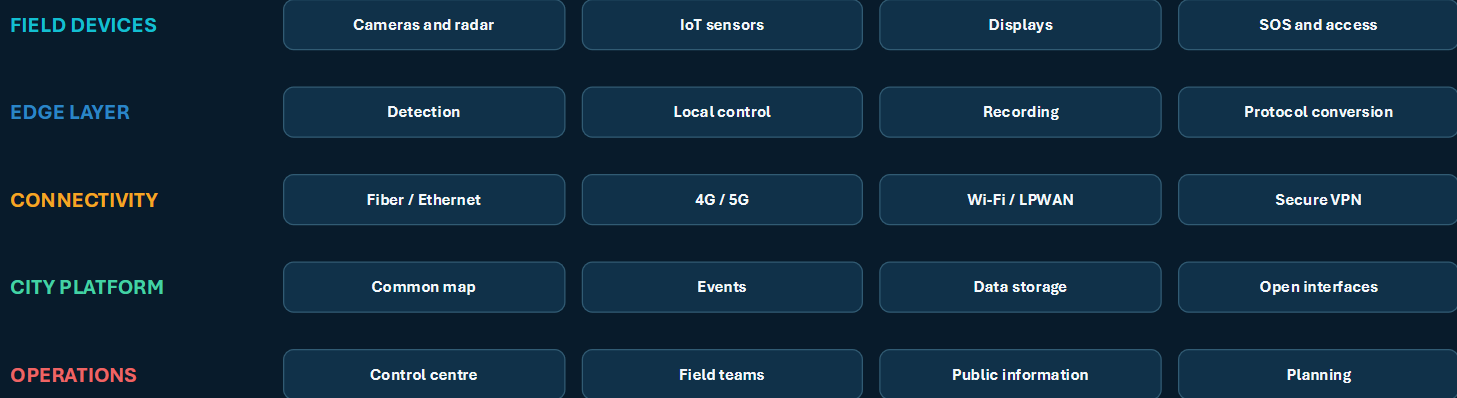
Smart City services share a secure edge - to - cloud architecture
The architecture supports gradual rollout, local resilience and integration with existing systems.
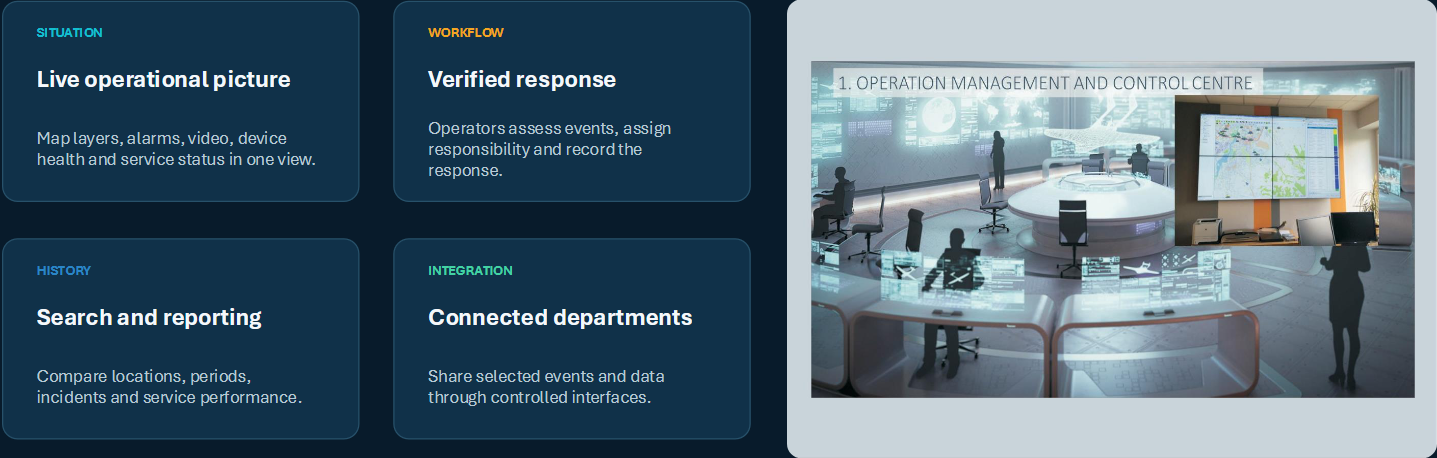
The control centre turns distributed events into coordinated action
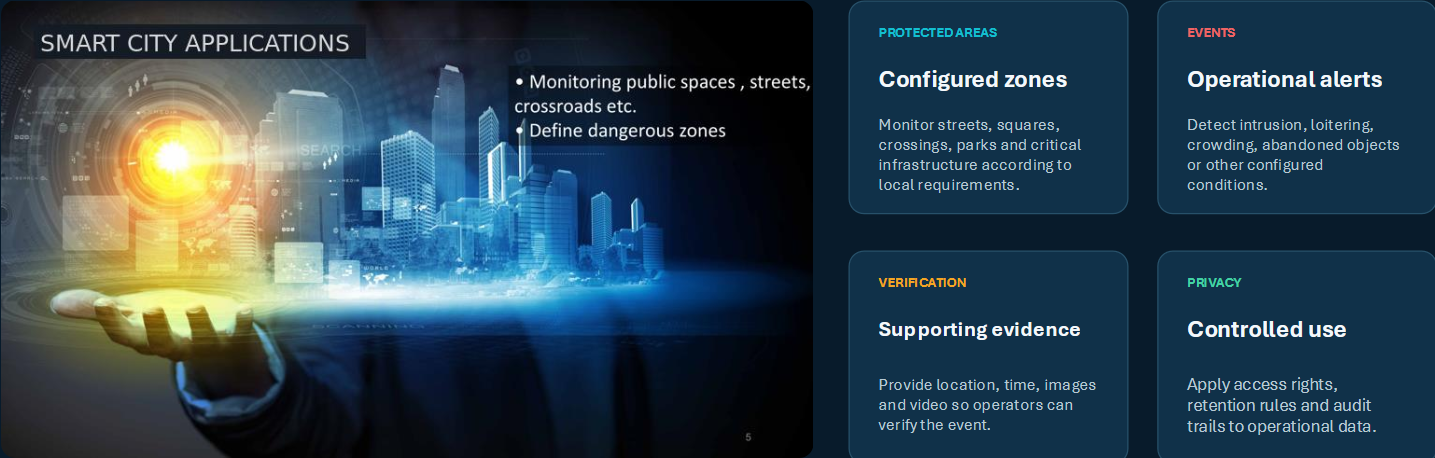
Public-space analytics focus attention on defined risks and unusual events
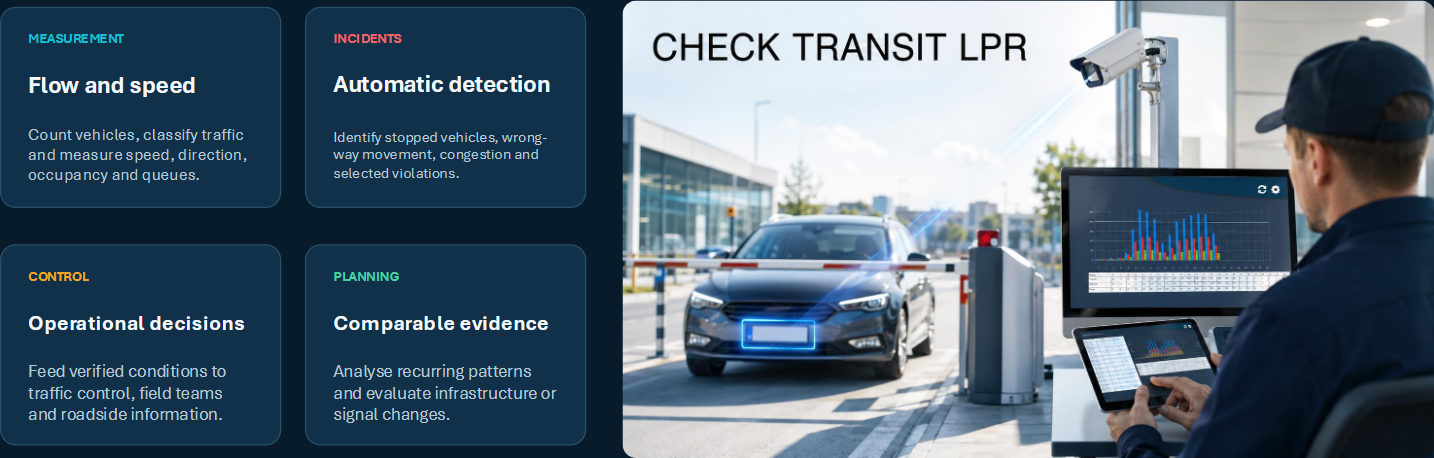
Traffic data supports safer roads and more predictable journeys
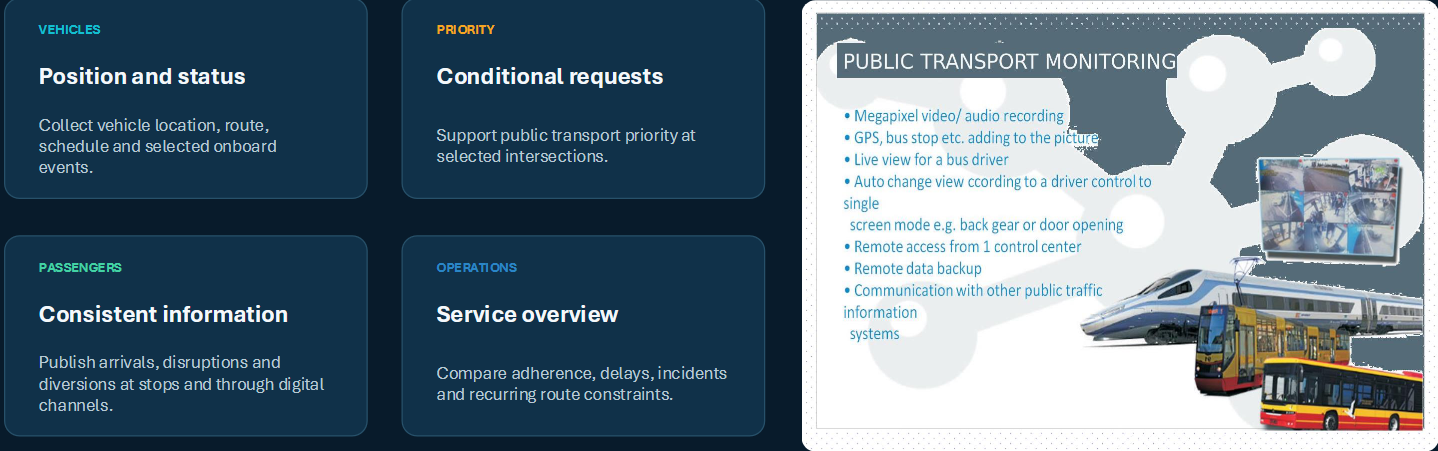
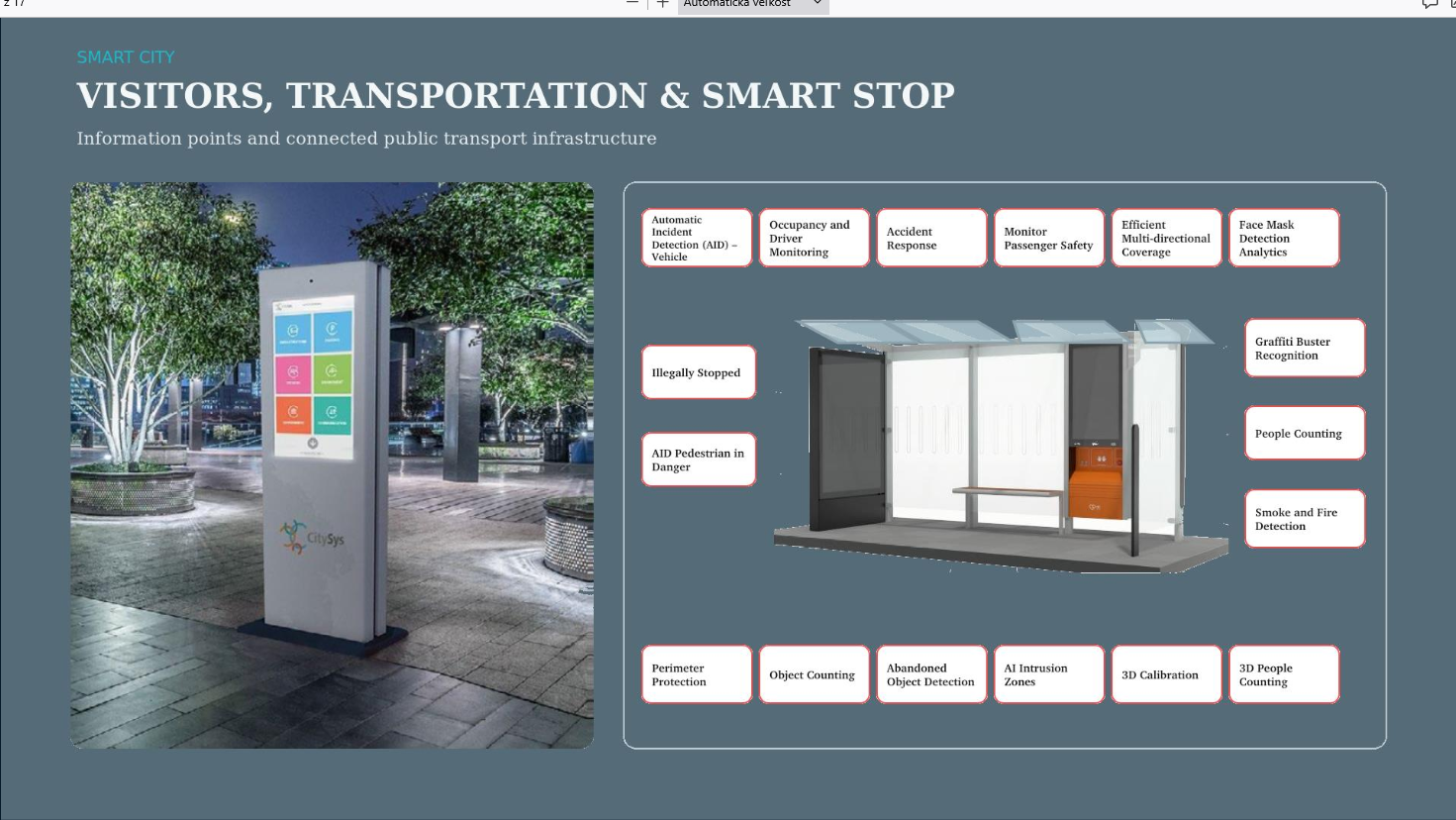
Connected public transport combines fleet visibility with passenger information
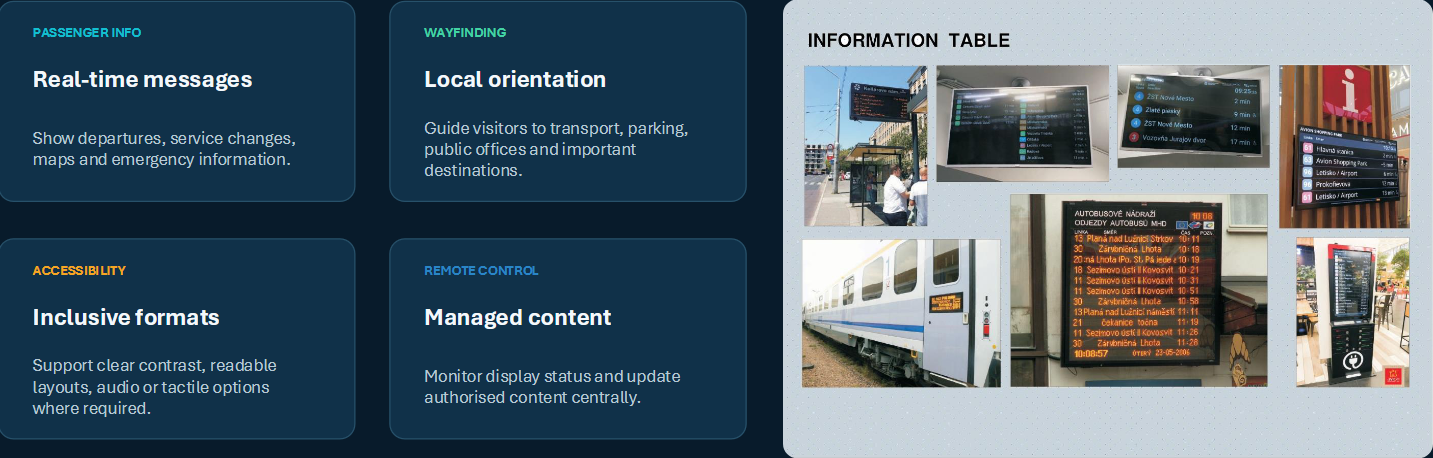
Information points make city services visible where people need them
Interactive city points combine information, navigation and selected transactions
The user interface and service set can be adapted to the location and target audience.
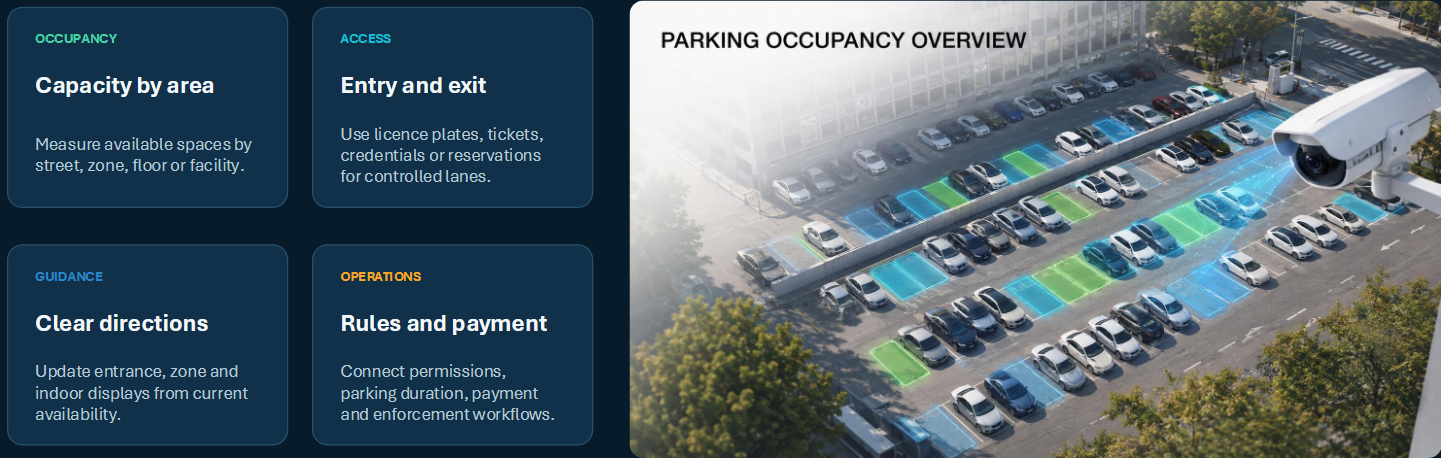
Parking information connects capacity, access and guidance
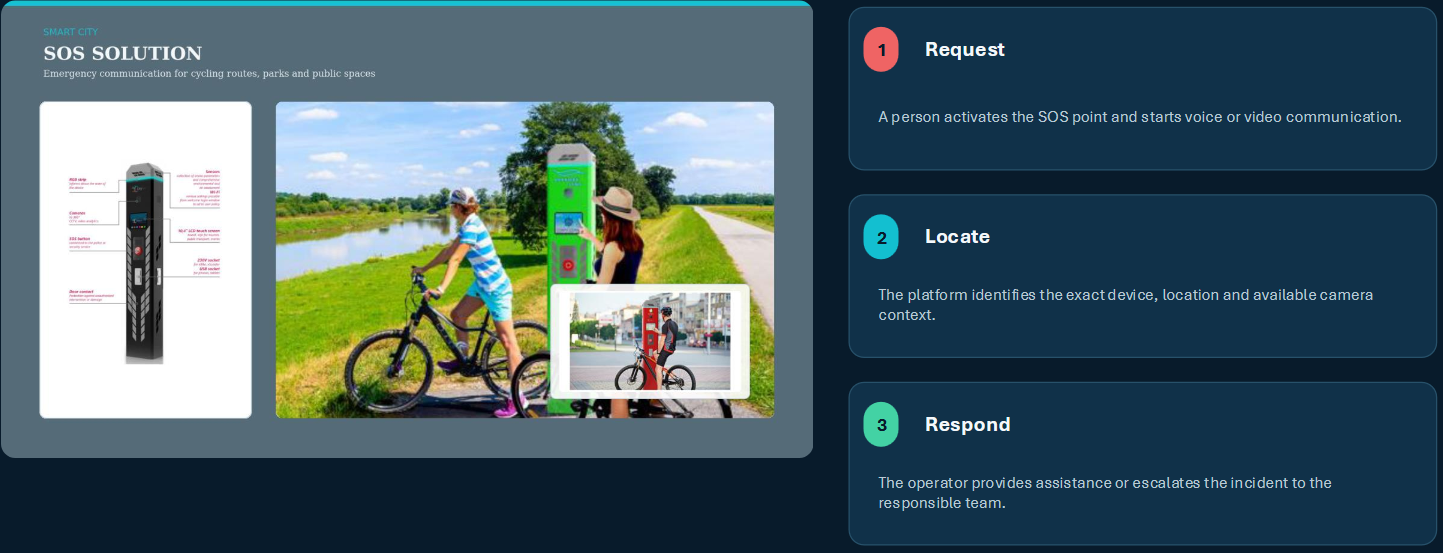
SOS points create a direct communication path from public space to an operator
Urban sensors provide local evidence for health, maintenance and planning
Sensor selection, calibration and maintenance determine the quality of the resulting city data.
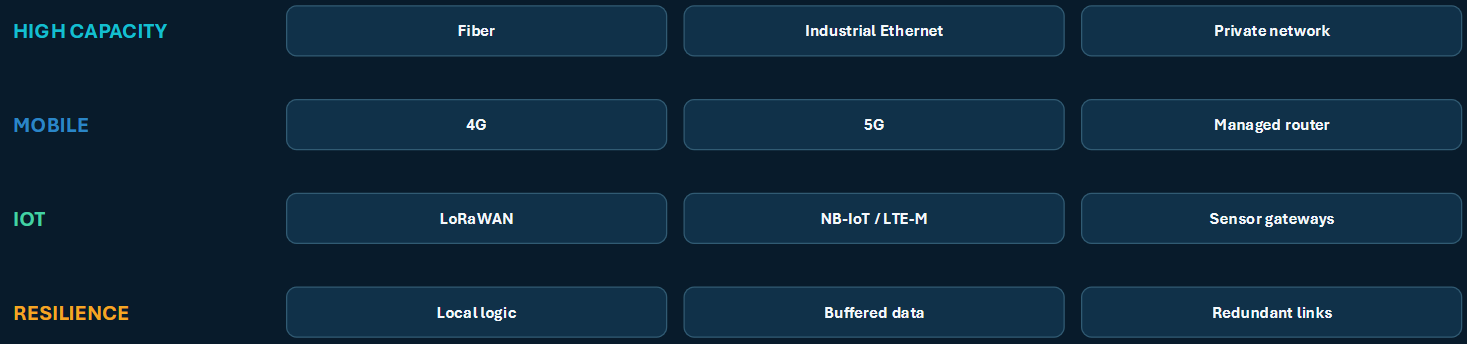
Connectivity choices follow the service, location and operational risk
Edge processing reduces latency and bandwidth use. Central services provide cross - system context, reporting and coordinated workflows.
Open interfaces keep Smart City data available to authorised systems
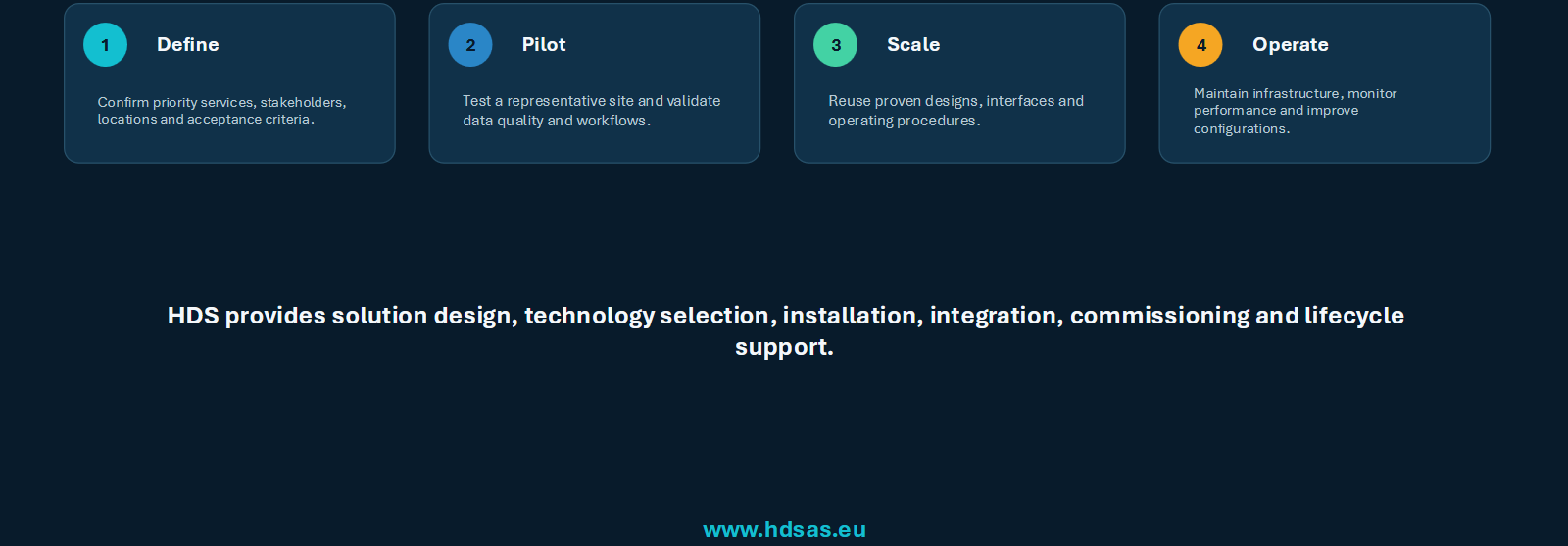
A phased Smart City programme connects quick wins with long-term architecture